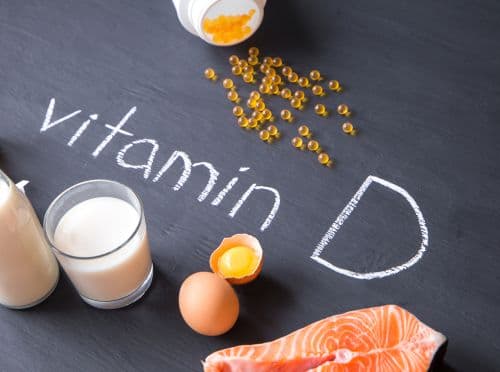
Vitamin D is essential for regulating calcium and phosphate—two minerals that keep our bones, teeth, and muscles strong. However, vitamin D has important health benefits, which extend far beyond bones and teeth. Without enough of it, children can develop rickets (bone deformities), and adults may suffer from osteomalacia (bone pain and weakness).
But here’s the catch: most of us aren’t getting enough, and evidence shows that most UK adults are in the dark when it comes to vitamin D, and 55% are not aware of the official advice to take a supplement from October to March.
🌥️ The Sunshine Gap
Vitamin D is nicknamed the “sunshine vitamin” because our skin makes it when exposed to sunlight. However, in the UK, from October to March, the sun isn’t strong enough to trigger this process. Even in sunnier countries, deficiency is surprisingly common due to factors like skin type, age, sunscreen use, and time spent indoors. Therefore, sunshine alone will not provide sufficient year-round levels of vitamin D.
🍽️ Diet Isn’t Enough
Only a few foods contain vitamin D. Good sources are oily fish (salmon, mackerel), egg yolks, liver, and fortified cereals or spreads. But you’d need to eat six eggs or seven tins of tuna daily to meet your needs. That’s why supplements matter.
🧠 Beyond Bones
Emerging research shows adequate levels of vitamin D will also support:
-
Immune health and respiratory function
-
Cardiovascular health and reduced risk of heart disease
-
Muscle strength and reduced risk of falls
-
Gut microbiome balance
-
Mental health, sleep, and mood
📉 Who’s at Risk?
-
People with darker skin tones
-
Those who cover up or stay indoors
-
Older adults and care home residents
-
Pregnant and breastfeeding women
-
Children under 5
Some studies also confirm that being overweight or obese dramatically increases the risk of vitamin D deficiency
What happens if I take too much?
Adults, including pregnant and breastfeeding women, should not take more than 100 micrograms (4,000 IU) of vitamin D a day.
Children aged 1 to 10 years should not have more than 50 micrograms (2,000 IU) a day. Infants under 12 months should not have more than 25 micrograms (1,000 IU) a day.
Some people have medical conditions that mean they may not be able to safely take as much. If in doubt, you should consult your doctor.
If your doctor has recommended you take a different amount of vitamin D, you should follow their advice.
✅ NHS Recommendations
-
Adults and children over 4: Take 10 micrograms (400 IU) daily during autumn and winter.
-
People at risk of deficiency: Take 10 micrograms daily all year round.
-
Babies (breastfed or having <500ml formula/day): 8.5–10 micrograms daily, year-round.
-
Children aged 1–4: 10 micrograms daily, year-round.
However, there is strong evidence that supplementation all year round should be considered.
Supplements are widely available, and those eligible for the Healthy Start scheme can get them for free.
At ABL, we discuss the importance of vitamin D with all our clients. Don’t miss out, live your best life and start supplementing your diet now.
For more information, you can read the article in the Health and Food supplements information service (HSIS) VITAMIN-D-THE-RAPIDLY-EMERGING-EVIDENCE-resized-PDF.pdf and national guidance can be found on the NHS website: Vitamin D - NHS
This article was written by Twané Walker, Professional Lead for weight management, ABL Health